111
from the pocket knife. Then came the eighteenth amendment, and presto! the corkscrew
has vanished.
The process of elimination stopped here, but the process of moderation continued.
Tailors reduced pocket space to a minimum and the handles of knives were made
smaller to fit. That is why the pearl handled knives being sold In Dallas now have only
two blades. The Dallas hardware man frankly admitted the change is very noticeable.
‖
Woman Manages Corkscrew Plant
On September 13, 1922 the
Reno
Evening Gazette
reported
―
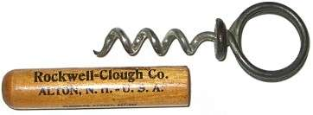
Alton (New
Hampshire) is noted for one industry
that has no near rival in the country. It
is the home of the corkscrew
manufacturing industry. Strange to
say, in this prohibition time it is thriving.
And a woman is the guiding spirit.
Mrs. William E. Clough carries on the business that made her husband's name known
the world over where bottled goods of any sort are handled in quantities.
Mr. Clough died two years ago. For fifty years he had worked out and perfected
machinery for the making of corkscrews in quantities. When he died Mrs. Clough did
not sell out the business and don widow's weeds and shut herself away from the world,
as was the old time idea. She gathered the workmen together and placed the business in
their hands and told them to go to it. A very efficient superintendent of the plant who
had been with her husband thirty years loyally stuck by her, as did the rest of the help,
and the machines are twirling out corkscrews by the hundreds of gross daily.
‖
During the final years of the Prohibition period, there was a change in the view of the corkscrew
in the media.
Prohibition Boosts Corkscrew Market
From the Associated Press February 21, 1931:
―
The corkscrew market has suffered no
depression, their makers agreed at the closing conference of the Western Metal
congression here today.
Before prohibition, delegates were told, 7 tons of low grade steel were used yearly to
manufacture America's corkscrews and bottle cap openers. Today it takes 225 tons of
metal to supply the demand of those who open bottles.
‖